Eiko Grimberg – Future History
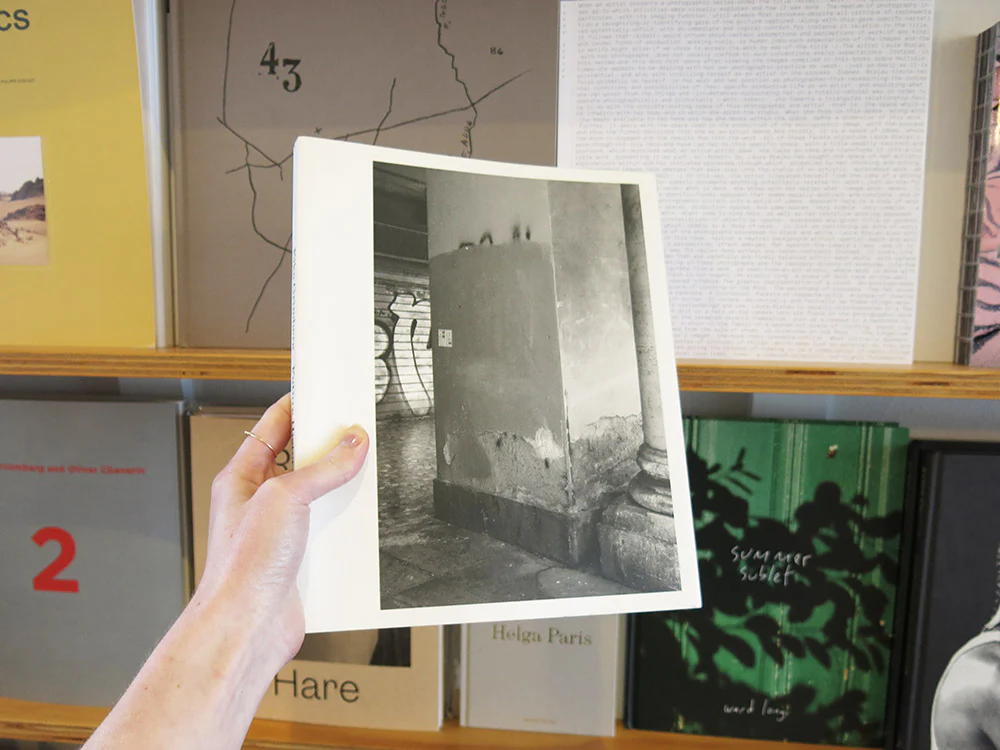
The buildings in Future History are examples of ‘Razionalismo’, the Italian version of International Style Modernism built in the 1930s. Emerging during Mussolini’s dictatorship, Razionalismo architecture was contemporaneous and frequently indivisible in design from official fascist building, now referred to as Stile Littorio. Italian fascism and Modernism blossomed in approximately the same period, during which the fascist state engaged in a significant infrastructural and institutional building programme. Countless school, hospital, road, rail, housing, government building and redevelopment projects were realised, several of which are viewed today as noteworthy examples of Razionalismo. These projects put architecture at the service of a state equally intent on improving health and housing, making its might conspicuous domestically and colonising in Africa. The photographs in Future History are interleaved with extracts from a series of papers first published in 1926 and 1927 by Gruppo 7, a group of architects from the Milanese Politecnico who championed the concepts of rationalism. This group called for an architectural renewal within the victorious state of Italy, for the development of a new idiom of form ‘until it dictates a style to other nations, as it has in the great periods of the past’. The essence of rationalism was ‘truth, logic, order, and Hellenic lucidity – true character of the new spirit’.
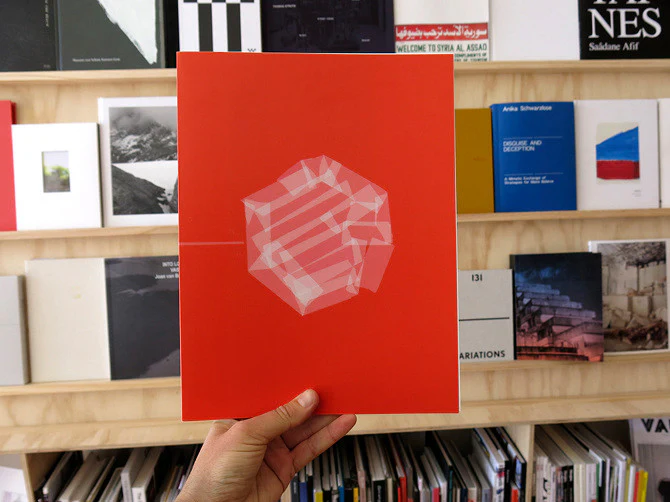
120 pages, 22 x 27 cm, softcover with flaps, Kodoji Press (Baden).
More Images


Eiko Grimberg – Future History
The buildings in Future History are examples of ‘Razionalismo’, the Italian version of International Style Modernism built in the 1930s. Emerging during Mussolini’s dictatorship, Razionalismo architecture was contemporaneous and frequently indivisible in design from official fascist building, now referred to as Stile Littorio. Italian fascism and Modernism blossomed in approximately the same period, during which the fascist state engaged in a significant infrastructural and institutional building programme. Countless school, hospital, road, rail, housing, government building and redevelopment projects were realised, several of which are viewed today as noteworthy examples of Razionalismo. These projects put architecture at the service of a state equally intent on improving health and housing, making its might conspicuous domestically and colonising in Africa. The photographs in Future History are interleaved with extracts from a series of papers first published in 1926 and 1927 by Gruppo 7, a group of architects from the Milanese Politecnico who championed the concepts of rationalism. This group called for an architectural renewal within the victorious state of Italy, for the development of a new idiom of form ‘until it dictates a style to other nations, as it has in the great periods of the past’. The essence of rationalism was ‘truth, logic, order, and Hellenic lucidity – true character of the new spirit’.
120 pages, 22 x 27 cm, softcover with flaps, Kodoji Press (Baden).
Product Information
Product Information
Shipping & Returns
Shipping & Returns
Description
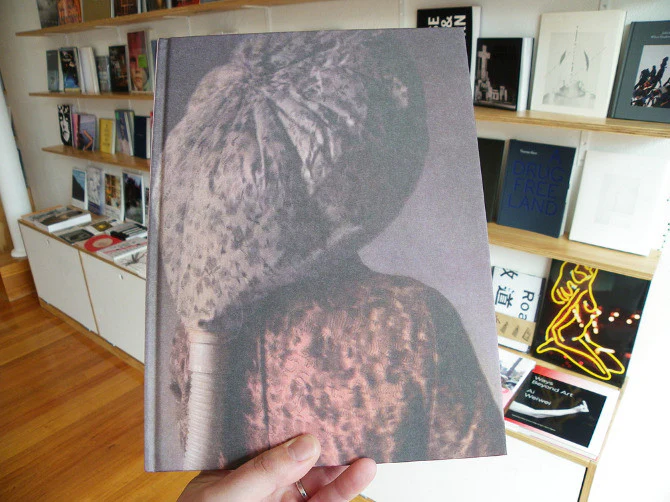
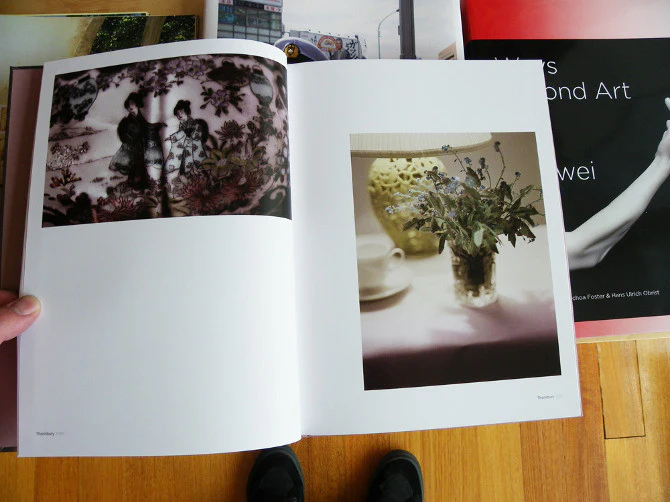
The buildings in Future History are examples of ‘Razionalismo’, the Italian version of International Style Modernism built in the 1930s. Emerging during Mussolini’s dictatorship, Razionalismo architecture was contemporaneous and frequently indivisible in design from official fascist building, now referred to as Stile Littorio. Italian fascism and Modernism blossomed in approximately the same period, during which the fascist state engaged in a significant infrastructural and institutional building programme. Countless school, hospital, road, rail, housing, government building and redevelopment projects were realised, several of which are viewed today as noteworthy examples of Razionalismo. These projects put architecture at the service of a state equally intent on improving health and housing, making its might conspicuous domestically and colonising in Africa. The photographs in Future History are interleaved with extracts from a series of papers first published in 1926 and 1927 by Gruppo 7, a group of architects from the Milanese Politecnico who championed the concepts of rationalism. This group called for an architectural renewal within the victorious state of Italy, for the development of a new idiom of form ‘until it dictates a style to other nations, as it has in the great periods of the past’. The essence of rationalism was ‘truth, logic, order, and Hellenic lucidity – true character of the new spirit’.
120 pages, 22 x 27 cm, softcover with flaps, Kodoji Press (Baden).