Bewegungen / Movements
Suzanne Perrottet (1889–1983) grew up in Geneva, studied rhythmics with Émile Jaques-Dalcroze and taught in Hellerau, where Mary Wigman was one of her pupils. In 1912, she met the dancer, choreographer, and theorist Rudolf von Laban, moved with him to the Monte Verità artists’ colony near Ascona and later to Zürich, where she performed at the Dada soirées. The summer of 1913 was a great turning point on Monte Verità! Along with Laban, Wigman, and others, Perrottet discovered the expressive power of natural movements and gestures, of sounds and words. It was the birth of modern dance. Everyone was to benefit from the spirit of natural movement; the goal was to liberate body and mind.
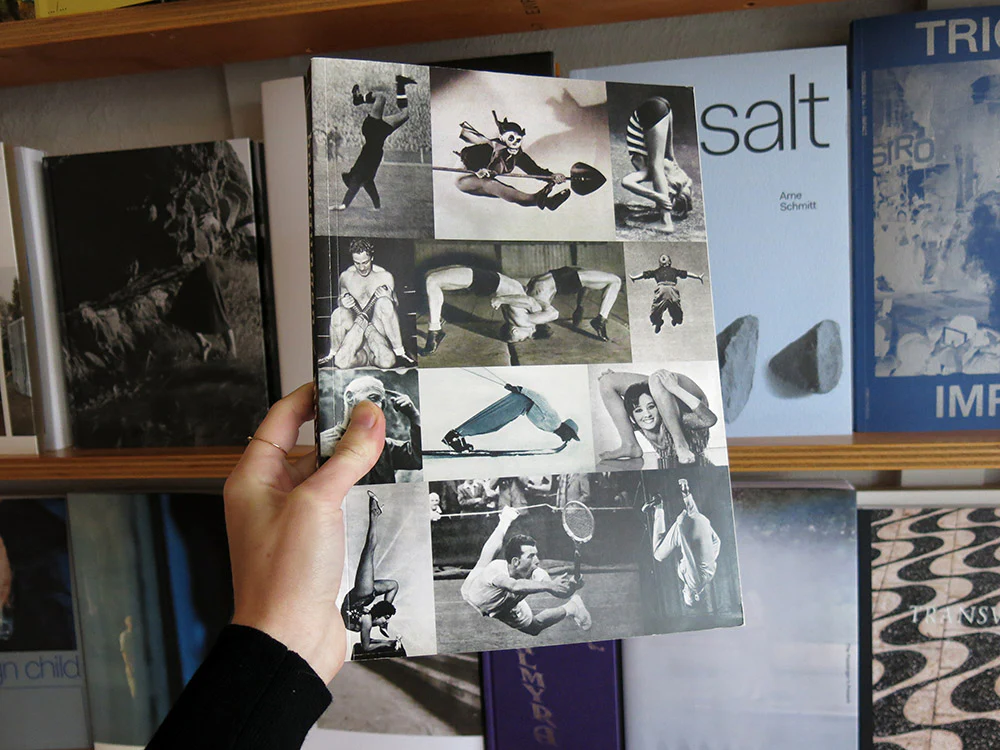
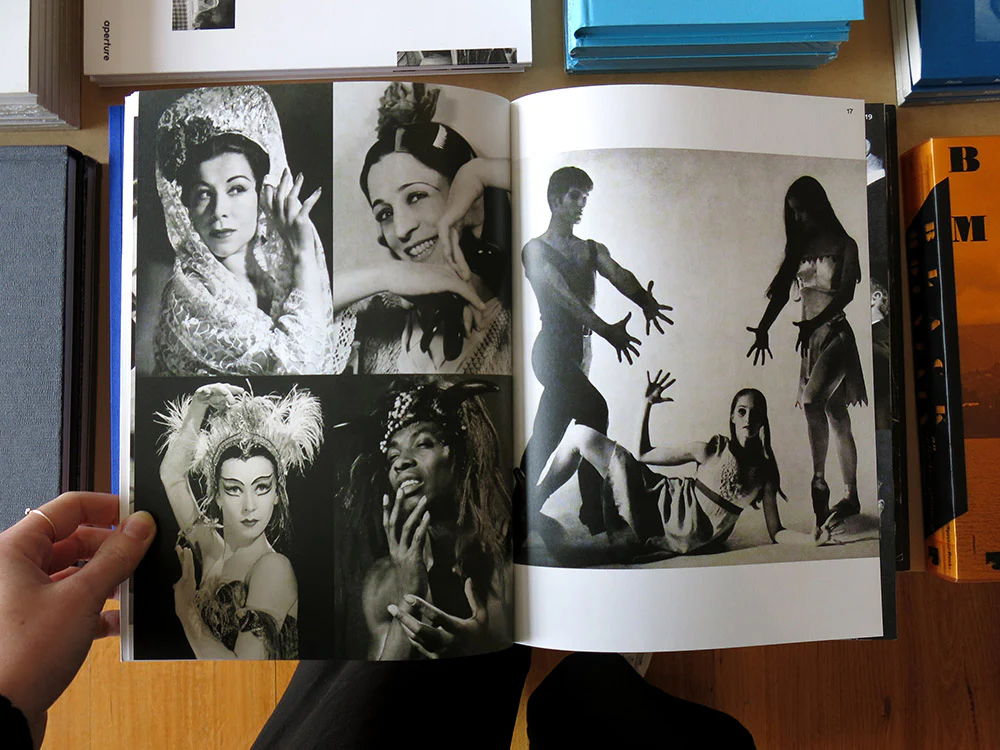
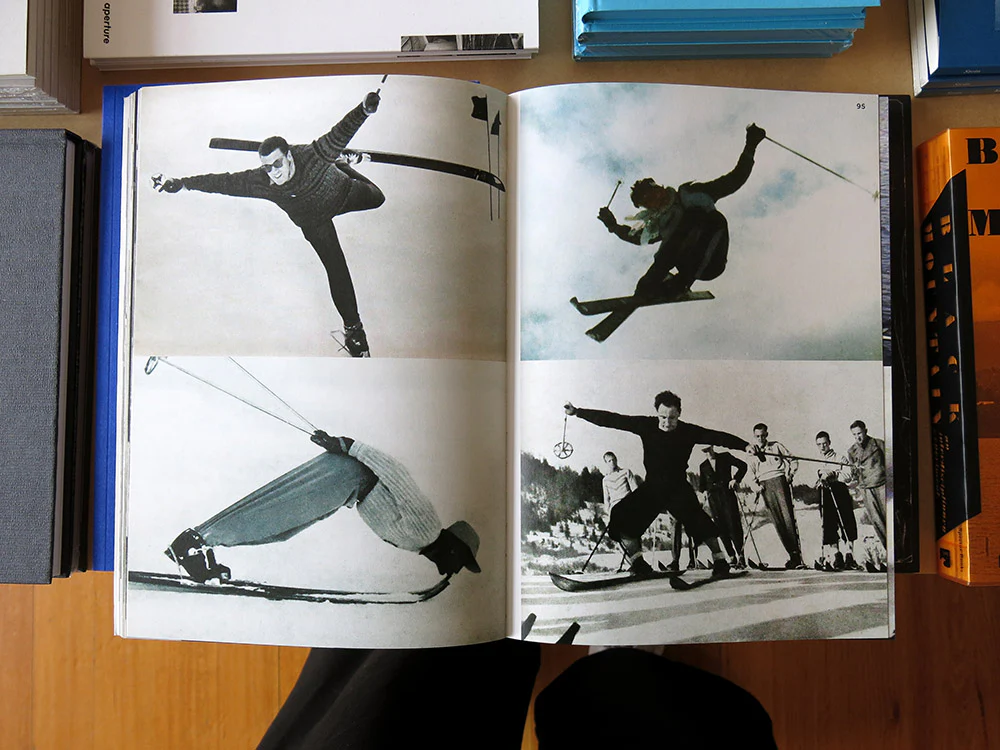
In 1920 Perrottet founded a school in Zürich. There she not only taught dancers, actors, children, and adults, including the physically and mentally impaired, but also devoted herself to intense, ongoing research. To compensate the lack of literature available in this new field, she started cutting pictures of movements, gestures, and physical expressions out of magazines. In the course of 60 years, she amassed an archive of over 10,000 pictures, which she classified by categories. Suzanne Perrottet continued working until she was 89 years old. After she died, her banana boxes of clippings were forgotten. Rediscovered in this book, edited by Giorgio Wolfensberger, they give an insight into a unique collection—a visual archive of movement.
280 pages, 21 x 29.7 cm, softcover, Edition Patrick Frey (Zurich).
More Images
Bewegungen / Movements
Suzanne Perrottet (1889–1983) grew up in Geneva, studied rhythmics with Émile Jaques-Dalcroze and taught in Hellerau, where Mary Wigman was one of her pupils. In 1912, she met the dancer, choreographer, and theorist Rudolf von Laban, moved with him to the Monte Verità artists’ colony near Ascona and later to Zürich, where she performed at the Dada soirées. The summer of 1913 was a great turning point on Monte Verità! Along with Laban, Wigman, and others, Perrottet discovered the expressive power of natural movements and gestures, of sounds and words. It was the birth of modern dance. Everyone was to benefit from the spirit of natural movement; the goal was to liberate body and mind.
In 1920 Perrottet founded a school in Zürich. There she not only taught dancers, actors, children, and adults, including the physically and mentally impaired, but also devoted herself to intense, ongoing research. To compensate the lack of literature available in this new field, she started cutting pictures of movements, gestures, and physical expressions out of magazines. In the course of 60 years, she amassed an archive of over 10,000 pictures, which she classified by categories. Suzanne Perrottet continued working until she was 89 years old. After she died, her banana boxes of clippings were forgotten. Rediscovered in this book, edited by Giorgio Wolfensberger, they give an insight into a unique collection—a visual archive of movement.
280 pages, 21 x 29.7 cm, softcover, Edition Patrick Frey (Zurich).
Product Information
Product Information
Shipping & Returns
Shipping & Returns
Description
Suzanne Perrottet (1889–1983) grew up in Geneva, studied rhythmics with Émile Jaques-Dalcroze and taught in Hellerau, where Mary Wigman was one of her pupils. In 1912, she met the dancer, choreographer, and theorist Rudolf von Laban, moved with him to the Monte Verità artists’ colony near Ascona and later to Zürich, where she performed at the Dada soirées. The summer of 1913 was a great turning point on Monte Verità! Along with Laban, Wigman, and others, Perrottet discovered the expressive power of natural movements and gestures, of sounds and words. It was the birth of modern dance. Everyone was to benefit from the spirit of natural movement; the goal was to liberate body and mind.
In 1920 Perrottet founded a school in Zürich. There she not only taught dancers, actors, children, and adults, including the physically and mentally impaired, but also devoted herself to intense, ongoing research. To compensate the lack of literature available in this new field, she started cutting pictures of movements, gestures, and physical expressions out of magazines. In the course of 60 years, she amassed an archive of over 10,000 pictures, which she classified by categories. Suzanne Perrottet continued working until she was 89 years old. After she died, her banana boxes of clippings were forgotten. Rediscovered in this book, edited by Giorgio Wolfensberger, they give an insight into a unique collection—a visual archive of movement.
280 pages, 21 x 29.7 cm, softcover, Edition Patrick Frey (Zurich).